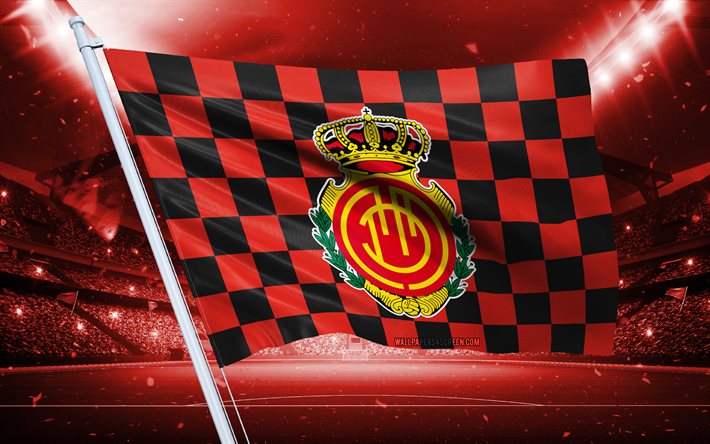
Mallorca FC, officially known as RCD Mallorca, is one of Spain’s most recognizable clubs outside the traditional mainland powerhouses. Founded in 1916, the club represents the Balearic Islands and has become a proud sporting symbol for the region. With a long history in La Liga and domestic cup competitions, memorable European nights, and over 5,000 goals scored across official matches, Mallorca FC has built a legacy defined by resilience, identity, and ambition.
Foundation and Early Progress
Mallorca FC was established in the early 20th century as football began to grow in popularity across Spain. In its early years, the club competed mainly in regional competitions, focusing on organization, local talent, and gradual development. The island location presented unique challenges, but it also strengthened the bond between the club and its supporters.
By the mid-20th century, Mallorca had progressed into national competitions, earning promotions and gaining experience against stronger mainland opponents. This steady rise laid the groundwork for future success.
Rise to La Liga and National Recognition
Mallorca FC became a familiar name in La Liga during the late 20th century, establishing itself as a competitive and well-organized club. Known for disciplined defending combined with efficient attacking play, Mallorca often outperformed expectations and challenged more financially powerful teams.
Across league, cup, and European competitions, Mallorca FC has scored more than 5,000 goals, reflecting its long-standing presence in professional Spanish football. Players such as Samuel Eto’o, Ariel Ibagaza, and Daniel Güiza played key roles in some of the club’s most successful periods.
Golden Era and European Adventures
The late 1990s and early 2000s marked Mallorca’s golden era. During this period, the club achieved consistent top-half finishes in La Liga and qualified regularly for European competitions. Mallorca impressed internationally with its tactical discipline and attacking confidence.
One of the club’s greatest achievements came in 2003, when Mallorca lifted its first major national trophy. European campaigns during this era further enhanced the club’s reputation and brought international attention to football on the island.
Major Achievements and Honors
Mallorca FC’s honors highlight its ability to compete at high levels despite geographical and financial limitations:
- Copa del Rey Winners – 2002–03
- Copa del Rey Runners-up – 1990–91, 1997–98
- Spanish Super Cup Runners-up – 1998, 2003
- UEFA Cup Winners’ Cup Runners-up – 1998–99
- Multiple seasons in La Liga
- Over 5,000 official goals scored across domestic and European competitions
These accomplishments represent the most successful period in the club’s history.
Stadium and Supporter Culture
Mallorca FC plays its home matches at Estadi de Son Moix, a modern stadium with a capacity of approximately 23,000 spectators. The venue regularly hosts passionate crowds who bring strong island pride to every matchday.
The club’s supporters are loyal, vocal, and deeply connected to Mallorca’s identity. Home games are known for their intense atmosphere, especially during key league fixtures.
Youth Development and Club Philosophy
Youth development plays an important role in Mallorca FC’s long-term strategy. The club emphasizes technical skill, tactical discipline, and mental resilience, aiming to balance homegrown talent with smart recruitment.
Sustainable management and careful planning guide the club’s decisions, ensuring competitiveness without compromising stability.
Future Ambitions
Looking ahead, Mallorca FC aims to maintain its position in La Liga, challenge for domestic cup success, and continue strengthening its squad through development and intelligent scouting.
Conclusion
With over 5,000 goals, a historic Copa del Rey triumph, and memorable European campaigns, Mallorca FC stands as a proud representative of island football in Spain. Its blend of resilience, community spirit, and competitive ambition ensures that the club’s legacy will continue to grow in Spanish football.
